
The Hidden Axis: How Gut Motility and Personal Care Impact Cycle Comfort
If you are doing everything "right" with your diet and are still navigating irregular cycles, intense period discomfort, or a preconception wellness journey that feels harder than it should be, you are not imagining it.
In the clinic, one pattern shows up again and again: women who are incredibly diligent about their food intake but have never been told that their digestive clearance pathways and their daily personal care products are quietly shaping their hormonal health behind the scenes.
Here is the short version of what the research shows, and why both your elimination habits and your bathroom cabinet deserve a closer look.
Your Gut Is a Hormone Clearance System
Oestrogen does not just disappear once your body is finished using it. Your liver processes and packages up used oestrogen, sending it directly to the gut through bile, where it is meant to leave the body safely in your stool. This is why maintaining daily, complete bowel movements matters far more for hormone balance than most people realise.
If stool sits in the colon for too long due to slow motility or irregular bowel habits, certain gut bacteria produce an enzyme called beta-glucuronidase. This enzyme acts like a pair of scissors, cleaving the bond on that packaged oestrogen and reactivating it.
Once reactivated, that oestrogen can be reabsorbed through the gut wall and recirculated back into your bloodstream instead of exiting the body. Over time, this recirculation contributes to an elevated oestrogen burden, often referred to as oestrogen dominance. In clinical research, this state of excess recirculating oestrogen is associated with heavy bleeding, cycle irregularities, cyclical breast tenderness, intense period pain, and altered inflammatory pathways that interact with complex pelvic conditions
This specialized collection of gut bacteria involved in processing and metabolising oestrogen has a specific name: The Estrobolome. A sluggish, imbalanced gut is never just a digestion issue, it may lead to a foundational hormone issue.
The Chemicals You Cannot See on the Label
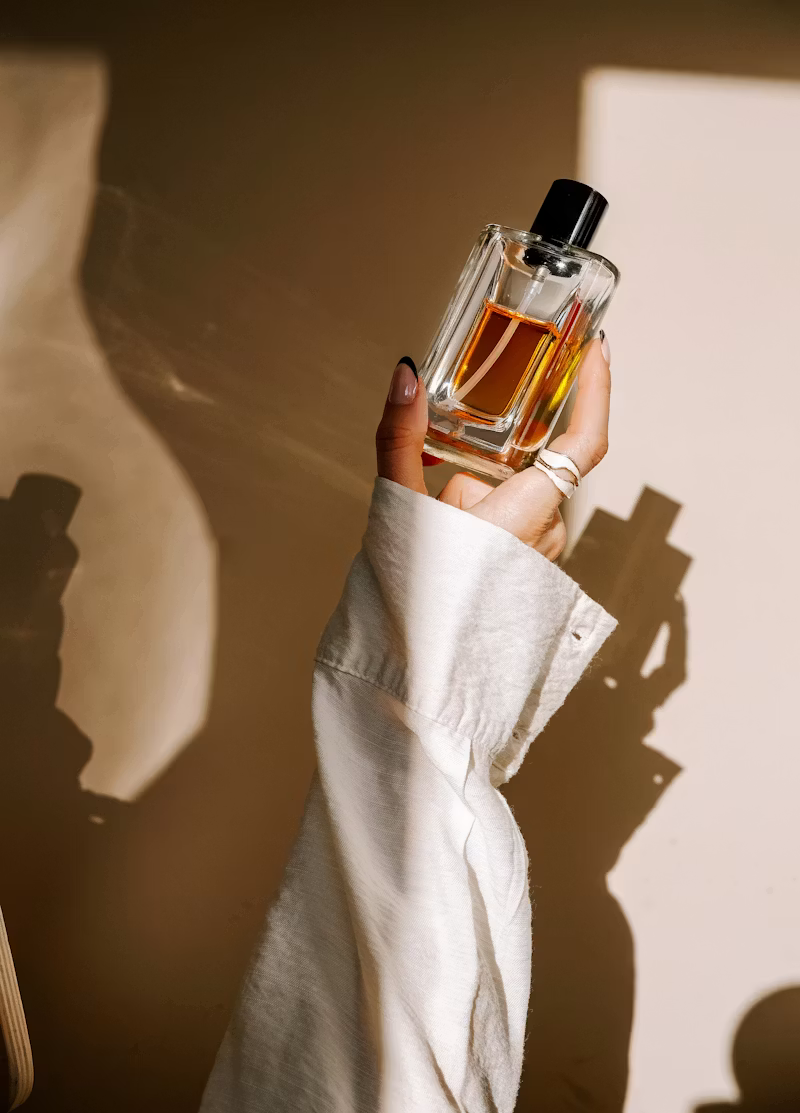
Many of these are phthalates bind to oestrogen receptors
Beyond how your body eliminates hormones internally, we must also look at what we are absorbing externally. Everyday personal care products can introduce synthetic environmental compounds known as Endocrine Disrupting Chemicals (EDCs)
Phthalates, parabens, and synthetic musks are frequently grouped under the single, generic word "fragrance" on ingredient labels. Because these chemical structures can closely mimic natural oestrogen (acting as xenoestrogens), they can bind to cellular hormone receptors and disrupt normal endocrine signalling pathways. When your body is already working hard to clear its own internal oestrogen load, daily exposure to synthetic xenoestrogens adds an unnecessary, invisible layer of metabolic stress to your clearance pathways.
● Fragrance and phthalates. In Australia, and in most countries, a single word, "fragrance" or "parfum" , can legally hide thousands of undisclosed chemicals.
None of this means panic or an overnight overhaul. It means understanding that your hormonal environment is shaped by more than diet alone, and that small, strategic swaps closest to your most sensitive tissues can make a measurable difference within weeks.
Cultivating Daily Vitality, One Step at a Time
Supporting your systemic equilibrium doesn't require a stressful lifestyle overhaul. True balance is built on simple, sustainable daily habits: encouraging complete digestive motility, staying well-hydrated, and choosing clean, botanical alternatives for the products that sit closest to your skin.


Cruciferous vegetables
like; cabbage, Brussels sprouts, brocolli, broccoli sprouts, contain Indole 3 carbinol > DIM. (diindolylmethane)
DIM helps support healthy oestrogen metabolism by shifting oestrogen breakdown toward beneficial, less active metabolites. Aids liver enzymes in clearing used hormones.
This is deliberately the short version. The full picture, including the exact ingredients to avoid, what a healthy bowel routine actually looks like, the research backed supplements worth discussing with a practitioner, and a full room by room low tox swap guide, is covered in depth in our two free guides:
● "Your Guide to better bowel regularity" a practical guide to supporting sluggish bowels.
● "The Hormone Health Swap," a full breakdown of endocrine disrupting chemicals and how to reduce in daily life
Both are available to download at www.matarhealth.com, or find the link in our Instagram bio @matarhealth.
If you want individualised support, rather than a generic protocol, you can also book a 1:1 clinical nutrition consultation with Prudence at Matar Health.
Prudence Matar
BHSc Clinical Nutritionist, Founder of Matar Health
References
Ervin S.M., et al. (2019). Gut microbial beta-glucuronidases reactivate oestrogens. Journal of Biological Chemistry.
Diamanti-Kandarakis E., et al. (2009). Endocrine-Disrupting Chemicals: An Endocrine Society Scientific Statement. Endocrine Reviews.
Disclaimer: The information provided on this blog is intended for general educational and health literacy purposes only. It does not constitute medical advice, diagnosis, or a personalized clinical treatment plan. Always consult with your qualified primary healthcare practitioner before making changes to your wellness or dietary routines.

Prudence
a Sydney based Holistic Clinical Nutritionist with a special interest in women's hormonal health, endometriosis, and fertility support. This article is for educational purposes only and does not constitute medical advice
References
Ervin SM, et al. (2019). Gut microbial beta-glucuronidase enzymes reactivate oestrogens. Journal of Biological Chemistry.
Hu S, et al. (2023). Gut microbial beta-glucuronidase, a vital regulator in female oestrogen metabolism. Gut Microbes.
Upson K, et al. (2013). Phthalates and risk of endometriosis. Epidemiology.
Crobeddu B, et al. (2019). Role of environmental pollutants in the pathogenesis of endometriosis. Reproductive Toxicology.
Diamanti-Kandarakis E, et al. (2009). Endocrine Disrupting Chemicals: An Endocrine Society Scientific Statement.
Rier S, Foster WG. (2002). Environmental dioxins and endometriosis. Toxicological Sciences.
Shifon et al. (2025). Endometriosis as an immune mediated disease: pathogenetic mechanisms and therapeutic strategies. Frontiers in Immunology.
Bao et al. (2022). Genomic evidence supports recognition of endometriosis as an inflammatory systemic disease. Frontiers in Immunology.
Werth BL, et al. (2019). Prevalence of chronic constipation in Australia.
www.matarhealth.com | @matarhealth | info@matarhealth.com